Top 8 healthy pregnancy recipes
A healthy pregnancy diet is the ordinary one: fruit and veg, wholegrain carbs, some protein at every meal, dairy, and 2 portions of fish a week.


It's half six, you've been on your feet all day, and the sickness has finally eased enough that food sounds like a good idea again. Now you have to decide what's for tea. Something with an actual vegetable in it. Something that doesn't break one of the pregnancy food rules you can't quite remember.
These are the eight we come back to. Two breakfasts, three lunches, three teas, all from things a normal supermarket sells, all inside the NHS's food rules as they read today, with the ingredients and the method laid out so you can cook from your phone.
None of it needs you to eat for two. The NHS is clear you don't, even with twins.
Quick answer: A healthy pregnancy diet is the ordinary one: fruit and veg, wholegrain carbs, some protein at every meal, dairy, and 2 portions of fish a week. Add a folic acid supplement for the first 12 weeks and vitamin D, and skip the short NHS avoid list. The eight recipes below cover breakfast, lunch and tea, each checked against that list, and most take under 40 minutes.
Key facts
- You don't need to eat for two. The NHS says so directly, even if you're expecting twins or triplets (NHS, have a healthy diet in pregnancy).
- At least 5 portions of fruit and veg a day. Fresh, frozen, canned, dried or juiced all count, and fresh gets washed carefully.
- Try for 2 portions of fish a week, 1 of them oily, and no more than 2 portions of oily fish a week while you're pregnant.
- Take 400 micrograms of folic acid a day for the first 12 weeks, and 10 micrograms of vitamin D a day from October to March at least (NHS, pregnancy vitamins and supplements).
- Meat cooked until steaming all the way through with no pink, runny eggs only with the British Lion stamp, and the cheese rules are in our foods to avoid post.
What to eat when you're pregnant
The old version of this post opened with a list of vitamins to cook around: vitamin A, folic acid, calcium, vitamin B. The NHS's version is simpler, and it's the one I'd follow. Eat a variety of the ordinary food groups, take folic acid and vitamin D as supplements because the NHS says food alone won't get you enough folic acid, and leave vitamin A supplements and liver alone.
| Food group | What the NHS says | Where it is in these recipes |
|---|---|---|
| Fruit and veg | At least 5 portions a day, washed carefully | Banana, tomatoes, spinach, courgette, squash, mushrooms, salad |
| Starchy foods | Just over a third of what you eat, wholegrain or higher fibre where you can | Oats, sourdough, brown rice, wholemeal buns, new potatoes |
| Protein | Some every day: beans, pulses, fish, eggs, meat (not liver), poultry, nuts | Beans, lentils, eggs, turkey, cod, chicken, hazelnuts |
| Dairy | Calcium for you and your baby, lower fat where possible, or an unsweetened calcium fortified soya drink | Milk in the oats, ricotta, halloumi, the cheese on the burger |
| Fish | 2 portions a week, 1 of them oily, and no more than 2 oily in pregnancy | The cod, and swap it for salmon or mackerel one week |
| Supplements | 400 micrograms of folic acid a day until 12 weeks, 10 micrograms of vitamin D a day | Not from a recipe. From the chemist |
| Fat and sugar | Less often and in small amounts | The honey on the chicken and the brioche bun are the treats, not the base |
If you want the folic acid detail, the folic acid post has it. The NHS's own line is that it's hard to get the amount you need from food alone, which is why the supplement matters more than any recipe.

The eight at a glance
Cooking times are the ones in each recipe. The last column is the thing to check against the NHS list before you start.
| Recipe | Meal | Time at the hob or oven | The pregnancy check |
|---|---|---|---|
| Banana and cocoa crunch overnight oats | Breakfast | 7 minutes, then overnight in the fridge | Any pasteurised milk, or an unsweetened calcium fortified soya drink |
| Tuscan beans on sourdough toast | Breakfast | About 10 minutes | Nothing to check. Tins and toast |
| Ricotta, tomato and spinach frittata | Lunch | 20 to 25 minutes in the oven | Ricotta is on the NHS's pasteurised soft cheese list. Bake until the eggs are set |
| Turkey and courgette burgers | Lunch | 12 minutes, then 4 to 5 with the cheese | Cooked through with no pink, and a cheese from the safe list |
| Red lentil and butternut squash soup | Lunch | About 30 minutes | Nothing to check. Reheat until steaming hot all the way through |
| Baked cod with a herby crust | Tea | 10 to 15 minutes | Cooked white fish is on the NHS's safe list; the weekly limits are for tuna and oily fish |
| Soy and honey chicken with coconut brown rice | Tea | 30 minutes for the rice | Chicken cooked through, no pink, juices clear |
| Halloumi burger | Tea | 6 to 8 minutes for the mushrooms | Halloumi is on the NHS's pasteurised soft cheese list |
Easy pregnancy breakfast recipes
The NHS suggests a healthy breakfast every day because it stops you snacking on fat and sugar by eleven. These two are the ones that survive a bad night.
1. Banana and cocoa crunch overnight oats
For the mornings you'd rather have ten more minutes in bed. Make it the night before and eat it from the jar. Oats and milk in one pot is starchy food and dairy, which is most of the NHS's breakfast list in a jar.

You'll need
- 40g oats
- A handful of hazelnuts
- 150ml milk, or an unsweetened calcium fortified soya drink
- 1 tbsp maple syrup or honey
- Half a banana, sliced
- 1 tsp cocoa nibs
Method
- Toast the oats and hazelnuts in a dry pan for 7 minutes, until they smell nutty.
- Chop the hazelnuts and put them in a jar with a lid, then add the oats.
- Pour over the milk and the syrup, and top with the banana and cocoa nibs.
- Lid on, fridge overnight. Eat cold in the morning.
2. Tuscan beans on sourdough toast
Beans on toast with its coat on. A weekend one, for when you've got twenty minutes and the sourdough is going stale. Beans are on the NHS's protein list, and baked beans on toast is on its healthy snacks list, so this is that with a tin of tomatoes and a bit of rosemary.

You'll need
- 2 tbsp olive oil
- 1 red onion, sliced
- 1 garlic clove, plus a cut clove for the toast
- A tin of chopped tomatoes
- A tin of baked beans
- A sprig of fresh rosemary
- 2 slices of sourdough
- Salt and pepper
Method
- Soften the onion and garlic in a splash of the oil over a medium to low heat.
- Add the tomatoes and the rosemary, season, and let it bubble for a few minutes.
- Warm the beans through, either stirred into the tomatoes or in the microwave.
- Toast the sourdough on both sides, rub it with the cut garlic clove and drizzle with the rest of the oil.
- Beans on top. Cheese on top of that if you like, from the safe list.
Healthy pregnancy lunch recipes
All three of these do tomorrow's lunch as well as today's. The frittata is good cold, the burgers reheat, the soup freezes.
3. Ricotta, tomato and spinach frittata
Eggs, veg and a soft cheese that's on the NHS's safe list. It bakes in a tin rather than fussing on the hob, and a cold slice in a lunchbox is better than most sandwiches.

You'll need
- 1 tbsp olive oil
- 1 large onion, finely sliced
- 300g cherry tomatoes
- 100g spinach leaves
- A small handful of basil leaves
- 100g ricotta (check the label says pasteurised)
- 6 eggs
- Salt and pepper
Method
- Heat the oven to 200C, 180C fan, gas 6.
- Cook the onion in the oil in a frying pan for 5 to 6 minutes until lightly golden.
- Take the pan off the heat and toss in the spinach, basil and tomatoes.
- Tip it all into a rectangular baking tin and dot small spoonfuls of ricotta over the top.
- Beat the eggs with salt and pepper and pour them over the vegetables and cheese.
- Bake for 20 to 25 minutes until set and pale golden. The eggs need to be cooked through, not wobbly.
4. Turkey and courgette burgers
Turkey is on the NHS's poultry list, and the courgette keeps the burgers from drying out. Wholemeal bun, salad, a cheese from the safe list, and the spare two go in the fridge for tomorrow.

You'll need
- 500g turkey mince
- 500g courgette, grated
- 2 tsp dried Italian herbs
- 2 tsp bicarbonate of soda
- Half a tsp dried chilli flakes
- 2 tbsp capers, drained
- Olive oil spray
- Salt and pepper
- Cheese of your choice, from the NHS safe list
- Wholemeal buns and salad
Method
- Heat the oven to 240C, 220C fan, gas 7.
- Take the grated courgette in handfuls and squeeze the water out before it goes in the bowl with the mince.
- Add the herbs, bicarbonate of soda, chilli, capers, salt and pepper, and mix well.
- Shape into four burgers, put them on a baking tray and rest them in the fridge for 10 minutes.
- Spray each burger with a little oil and cook on the top shelf for 12 minutes, until golden and cooked all the way through with no pink.
- Cheese on top, back in for 4 to 5 minutes until it melts. Into a wholemeal bun with the salad.
5. Red lentil and butternut squash soup
Pulses are on the NHS's protein list and lentils cost almost nothing. This makes a big pan, and the old version of this post was right about the useful bit: it freezes, so the day you can't face cooking is already covered.

You'll need
- 2 tbsp olive oil
- 2 garlic cloves, finely chopped
- A 3 inch piece of root ginger, peeled and grated
- Half a tsp chilli flakes
- 300g red lentils
- 1.2 litres hot vegetable stock
- 300g butternut squash, peeled and diced
- Salt and pepper
Method
- Heat a splash of the oil in a saucepan over a medium heat. Add half the garlic, half the ginger and all the chilli, and fry for 1 minute, stirring.
- Add the lentils and fry for another minute.
- Pour in the stock, bring to the boil, then simmer with the lid off for 10 to 12 minutes until the lentils are soft.
- Meanwhile, in a second pan, fry the rest of the garlic and ginger in the remaining oil, add the squash and cook for 12 minutes.
- Add the squash to the lentils and cook for 5 more minutes.
- Off the heat, blend until smooth. Season. Freeze what you don't eat, and reheat until steaming hot all the way through.
Want the rest of pregnancy week by week, for your dates? Tell us your due date and we'll send what to expect, what to do and what to sort each week, appetite included. 10% off when you're ready.
Easy pregnancy meals for tea
Three teas that don't need a recipe book open on the worktop. One fish, one chicken, one for the barbecue or the griddle pan.
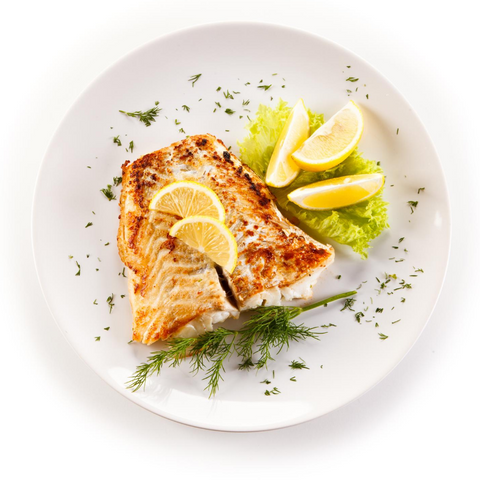
6. Baked cod with a herby crust
Cooked white fish is on the NHS's safe list, and it counts as one of your 2 portions of fish for the week. Fifteen minutes in the oven, greens and new potatoes on the side, and the crust means nobody notices it's the healthy one.
You'll need
- 180g cod loin
- 2 tbsp fresh white breadcrumbs
- 2 tbsp chopped fresh herbs
- 1 garlic clove, crushed
- 2 tbsp olive oil
- Salt and pepper
- Green veg and new potatoes to serve
Method
- Heat the oven to 200C, 180C fan, gas 6.
- Mix the herbs, garlic and oil, stir in the breadcrumbs, and season.
- Put the cod on a baking sheet and press the crumb mixture over the top.
- Bake for 10 to 15 minutes, until the flesh is opaque and flakes easily.
- Serve with the greens and potatoes.
7. Soy and honey chicken with coconut brown rice
Sticky chicken thighs and brown rice, which is the NHS's wholegrain swap for white. The honey and soy are the treat part, so it's a small amount doing a lot of work. Cook the chicken until there's no pink and the juices run clear.

You'll need
- 4 tsp honey
- 4 tsp soy sauce
- 450g chicken thighs
- 150g brown rice
- 1 tbsp rapeseed oil
- 1 tbsp sesame oil
- Half a tsp coconut oil
- 1 tsp sesame seeds
- A handful of coriander leaves
- 1 tsp pumpkin seeds, chopped
Method
- Mix the honey and soy in a large bowl and turn the chicken thighs in it until they're coated.
- Put the chicken into a cold, heavy based pan with the rapeseed oil, then bring it up to a medium heat and cook until the chicken is cooked through and the marinade has thickened to a glossy glaze.
- Meanwhile, bring the rice to the boil in a separate pan, then turn it down and simmer for 30 minutes.
- Fluff the cooked rice with a fork and stir through the coconut oil, sesame oil, sesame seeds and coriander. Scatter the pumpkin seeds over.
- Check the chicken: no pink, juices clear. Serve on the rice.
8. Halloumi burger
Halloumi is on the NHS's list of pasteurised soft cheeses that are fine in pregnancy, so this is the vegetarian one for a warm evening and a barbecue. The brioche bun is the treat; a wholemeal one works if you'd rather.

You'll need
- 2 tbsp olive oil
- 2 portobello mushrooms
- 200g halloumi, sliced
- 2 brioche or wholemeal buns
- Half an onion, a tomato and a piece of cucumber, all finely chopped
- 1 lime
- 1 tomato, sliced
- Lettuce leaves
- Salt and pepper
Method
- Heat a griddle pan until it's smoking, or get the barbecue properly hot.
- Brush half the oil over the mushrooms, season, and cook for 6 to 8 minutes, turning halfway.
- Brush the rest of the oil over the halloumi slices and cook for 2 to 3 minutes until lightly charred.
- Mix the chopped onion, tomato and cucumber with a squeeze of lime for the salsa.
- Build the burgers: bun, lettuce, sliced tomato, mushroom, halloumi, salsa.
Questions we get asked
What are easy meals to make when pregnant?
The eight above, in order of effort: overnight oats, beans on toast, the halloumi burger, the cod, the frittata, the soup, the burgers, the chicken. The NHS's healthy snacks list is worth having on the fridge too: baked beans on toast, a small baked potato, vegetable and bean soup, porridge with milk, fresh fruit, a small sandwich with grated cheese or mashed tuna.
Do I need to eat more when I'm pregnant?
No. The NHS says you'll probably be hungrier than usual but you don't need to eat for two, even if you're expecting twins or triplets. Its suggestion is a healthy breakfast every day, because it stops the mid morning snacking on things high in fat and sugar.
Can I batch cook and freeze meals when pregnant?
Yes, and the soup and the burgers are the two here that were made for it. The NHS's food safety rules are the ones that matter: keep raw food separate from anything ready to eat, reheat until steaming hot all the way through, and check the use by date rather than trusting the smell.
Which cheeses can I cook with when pregnant?
The NHS's pasteurised soft cheese list covers most of what you'd cook with: cottage cheese, cream cheese, mozzarella, feta, paneer, ricotta, mascarpone, halloumi and burrata, plus any hard cheese. Brie, camembert and blue cheese are fine once cooked until steaming hot. The full list, as the NHS writes it, is in the foods to avoid post.
Do I still need vitamins if I eat well?
Two, says the NHS: 400 micrograms of folic acid a day for the first 12 weeks, because it's hard to get enough from food alone, and 10 micrograms of vitamin D a day from October to March, or all year if you're mostly indoors or cover most of your skin outside. The rest comes from a varied diet. Skip cod liver oil and anything containing vitamin A.
Next: the foods to avoid post has the NHS list item by item, the due date calculator tells you which week you're in, and the pregnancy collection is there for when the waistband gives up before the appetite does.
This is general guidance from the BABYGO® team, not medical advice. Your midwife or GP knows your pregnancy; ask them if anything here doesn't fit your situation.
Filed under Pregnancy