Hospital bag checklist UK: everything to pack for labour & after (2026)

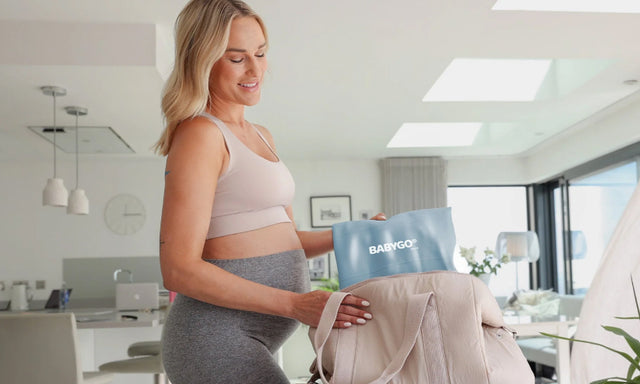
The best time to pack your hospital bag is around 36 weeks of pregnancy, and most UK mums find it easiest to pack three separate bags: one for labour, one for after birth, and one for baby.
This makes it easier to find what you need when you're tired, in labour, or adjusting to life with your new arrival.
This complete hospital bag checklist covers everything you'll actually use (and what you won't), based on midwife recommendations and real experiences from UK mums.
Contents:
- When should you pack your hospital bag?
- Bag 1: What to pack for labour and birth
- Bag 2: What to pack after birth
- Bag 3: What to pack for your baby
- What should your birth partner pack?
- Things you DON'T need to pack
- What should you pack for a planned C-section?
- Hospital bag checklist at a glance
- Frequently Asked Questions

When should you pack your hospital bag?
For most pregnancies, 36 weeks is the sweet spot for packing your hospital bag.
Although only around 5% of babies arrive on their due date, most arrive between 37 and 42 weeks. Having your bag packed by 36 weeks means you're prepared if your little one decides they'd rather not wait around.
You may want to pack earlier if:
- You're expecting twins or multiples
- You have a planned C-section
- You've experienced early labour before
- Your midwife has identified you as higher risk
- You simply want one less thing on your to-do list
Many mums also find it helpful to keep their bags by the front door or in the car during the final weeks of pregnancy.
Why three bags are better than one
Trying to find lip balm, maternity pads and a baby's sleepsuit in one oversized suitcase while you're having contractions isn't ideal.
Packing three separate bags helps keep everything organised:
| Bag | What it's for |
|---|---|
| Bag 1 | Labour and birth |
| Bag 2 | Your recovery after birth |
| Bag 3 | Baby's essentials |
| Bonus bag | Birth partner supplies |
This simple system means you only need what you need at that stage, rather than unpacking your entire life onto a hospital ward floor.

Bag 1: what to pack for labour and birth
Labour can last a few hours or occasionally much longer, so comfort is everything.
Birth Plan & Hospital Notes
Even if you've discussed your preferences with your midwife, having a printed copy of your birth plan can be helpful.
Include:
- Birth preferences
- Pain relief preferences
- Any medical information
- Contact details
Don't worry if labour doesn't follow the plan exactly. Think of it as a guide rather than a rulebook.
Comfortable Nightie or Oversized T-shirt
Labour is not the time for tight waistbands or complicated outfits.
Many mums choose:
- A loose nightdress
- An oversized t-shirt
- A button-front nightie if planning to breastfeed
Choose something you don't mind getting messy.
Slippers & Warm Socks
Hospital floors can be cold, especially if you're walking around during labour.
Warm socks can also help you feel more comfortable during the early stages of labour when you're trying to rest between contractions.
Top Tip:
You can also pack pregnancy compression socks to help with any swelling.
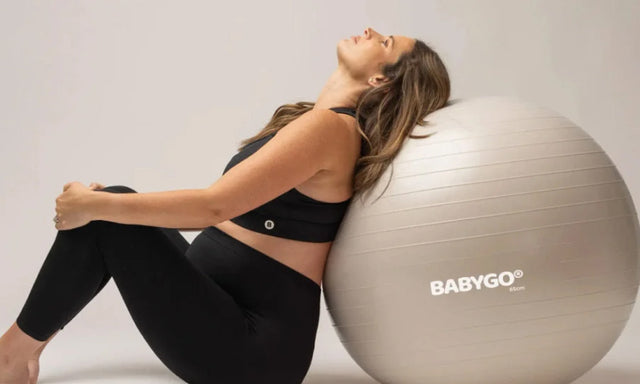
Birthing Ball or Peanut Ball
Many UK hospitals allow you to bring your own birthing ball, although it's worth checking with your maternity unit beforehand.
A birthing ball can help:
- Encourage baby into a good position
- Reduce pressure on your lower back
- Support movement during labour
- Help you stay upright and active

A peanut ball for labour can be particularly useful if you're having an epidural and spending more time in bed.
Snacks and Isotonic Drinks
Labour is hard work.
Pack easy to eat snacks such as:
- Cereal bars
- Dried fruit
- Crackers
- Sweets
- Energy bars
Your birth partner will thank you for thinking of them too.
Lip Balm, Hair Ties & Mints
These tiny items often end up being some of the most-used things in a labour bag.
Hospital wards can be warm and dry, and labour breathing can leave lips feeling surprisingly chapped.
Phone Charger (extra-long cable) or a Power Bank
This one appears on almost every "things I wish I'd packed" list.
Hospital plug sockets are rarely where you need them to be.
A cable of at least 2 metres is worth its weight in gold.
TENS Machine (if using)
Not always an essential in your hospital bag, but if you're planning to use a TENS machine during early labour, make sure:
- Batteries are fresh
- Spare batteries are packed
- You've practised using it beforehand
The middle of a contraction isn't the ideal time to read instructions.
Massage Oil
A gentle massage from your birth partner can be incredibly comforting during labour.
Travel-sized bottles are perfect and won't take up much space.
Downloaded Playlist
Hospital WiFi isn't always reliable.
If music helps you relax, download playlists, podcasts or meditation tracks before the big day.

Bag 2: what to pack after birth
Once baby arrives, your focus shifts from labour to recovery.
This is where comfort becomes the priority.
C-section Knickers
Whether you're planning a C-section or simply preparing for every possibility, packing a pair of high-waisted postpartum knickers is a smart idea.
The right pair should:
- Sit well above the incision area
- Offer gentle support
- Feel soft against sensitive skin
- Avoid digging in
Many mums who have vaginal births also prefer the comfort of high-waisted styles during those first few weeks.
Top Tip:
According to the NHS, 5-6 pairs of disposable knickers is also a good idea to pack in your hospital bag too.
Maternity Pads
Pack more than you think you'll need.
You'll experience postpartum bleeding (known as lochia) whether you have a vaginal birth or C-section.
Choose:
- Heavy-flow maternity pads
- Soft, breathable materials
- No plastic backing where possible
Regular sanitary pads are rarely enough for the first few days.
Postpartum Support Belt
Postpartum belts aren't an essential for everyone, but many mums find it helpful during the early recovery period.
Potential benefits include:
- Gentle abdominal support
- Improved comfort when moving around
- Additional lower back support
- Increased confidence when walking
The key is gentle support, not tight compression.

Nursing Bras
If you're planning to breastfeed, nursing bras make feeding much easier.
Even if you're undecided about feeding plans, packing a couple of comfortable maternity bras is still worthwhile.
Look for:
- Soft fabrics
- No underwiring
- Easy feeding access
- Flexible sizing
Your breasts can change size dramatically during those first few days.
Breast Pads
Milk can begin coming in within days of birth.
Breast pads help protect clothing from leaks and keep you feeling comfortable.
Peri Bottle
Many mums discover the peri bottle after birth and immediately wonder why nobody mentioned it sooner.
Using warm water while going to the toilet can help reduce discomfort, particularly if you've experienced tearing or stitches.

Comfortable Clothes for Going Home
Your six-month-pregnant wardrobe is usually perfect.
Many mums are surprised by how much of their bump remains immediately after birth.
Think:
- Postpartum leggings
- Baggy joggers
- Maternity clothing
- Loose dresses
Comfort beats fashion every time.
Bag 3: what to pack for your baby
Babies need surprisingly little during their hospital stay. The goal is to pack enough for comfort and unexpected delays, without bringing your entire nursery.
Newborn Nappies
Most hospitals expect parents to bring their own nappies.
Newborn-size nappies are usually the best choice, even if scans suggest a larger baby.
Pack around 10 to 12 nappies for a typical stay.
Cotton Wool or Water Wipes
Many NHS trusts recommend using cotton wool and water for newborns during the first few weeks.
Some parents prefer water wipes designed for newborn skin.
Either option is gentle and suitable for those early nappy changes.
Hat & Scratch Mitts
Newborn babies can lose heat quickly after birth.
A soft hat helps regulate body temperature during those first hours.
Scratch mitts can also help prevent accidental scratches from tiny fingernails.
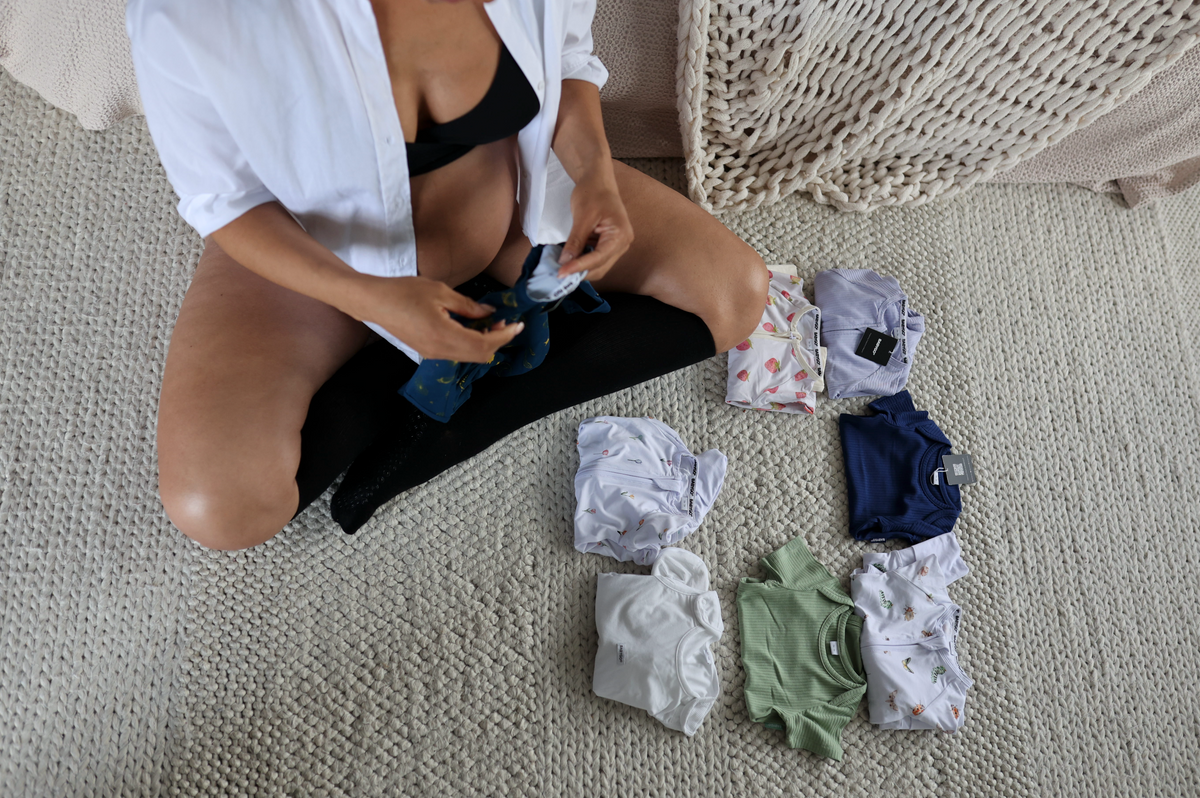
Sleepsuits & Vests
Pack at least:
- 3 sleepsuits
- 3 baby vests
Babies can go through multiple outfit changes in a day thanks to spit-up, nappy leaks and unexpected accidents.
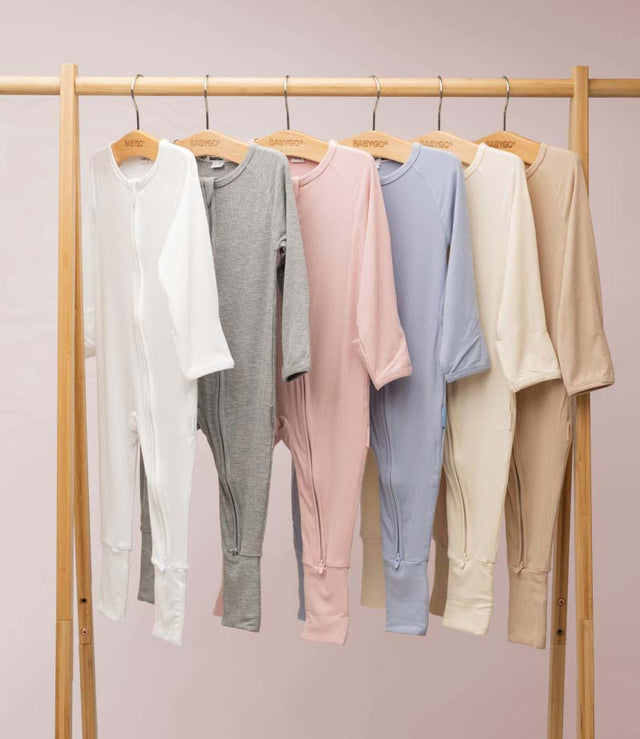
Choose soft, easy to fasten sleepsuits that make changing simple during those sleep-deprived first hours.

Blanket
Hospitals can feel chilly, especially during winter months.
A soft blanket is useful for:
- Cuddles
- Skin to skin time
- The journey home
- Extra warmth when needed
Going-home outfit
Choose an outfit appropriate for the season.
Remember that babies are usually happiest in simple, comfortable clothing.
A complicated "Instagram outfit" might look cute but can be less practical when you're learning how to dress a newborn.
Car Seat
Your baby cannot leave hospital without a suitable car seat.
Install it before your due date and make sure you know how to adjust the straps correctly.
The hospital won't usually fit it for you.
Muslins
Muslins are one of the hardest-working items you'll pack as they are extremely versatile.
They're useful for:
- Feeding
- Burping
- Cleaning spills
- Changing mats
- Light blankets
- Unexpected messes
Pack at least three as we guarantee you will use all of them.

What should your birth partner pack?
Labour can be long and unpredictable.
Your birth partner will thank you if they've packed their own essentials rather than borrowing yours.
Snacks & Drinks
Hospital cafeterias don't always operate 24 hours a day.
Pack snacks that are filling and easy to eat.
Change of Clothes
Labour wards can be warm. Births can be messy.
A fresh change of clothes is often appreciated to help them feel more comfortable.
Phone Charger
Because somebody always forgets theirs and 1 is better than 2.
Money & Card for Parking
Not every hospital has convenient payment systems.
Having payment sorted beforehand removes one extra stress, so be sure to bring some cash and a card.
Pillow
Hospital chairs aren't known for being a luxury super-king sized bed.
A familiar pillow can make resting easier during long waits.
Top Tip:
You could even pack your pregnancy pillow for them.

Things you DON'T need to pack
Most first-time parents overpack, and that's completely understandable.
But there are some common items that rarely get used.
Large Packs of Nappies
You only need enough for your stay.
There's no need to bring an entire month's supply.
Full-sized Toiletries
Travel sizes save space and make finding what you need much easier.
Every Baby Gadget You Own
White noise machines, bottle sterilisers and half the nursery can stay at home.
Focus on essentials.
Too Many Baby Outfits
Your baby doesn't need a different outfit for every visitor.
Three sleepsuits are usually enough for a short stay.

What should you pack for a planned C-section?
A planned C-section usually involves a slightly longer hospital stay than an uncomplicated vaginal birth.
This means a few additional items are worth packing.
Recovery Knickers
The most important clothing item for many C-section mums.
Look for C-section knickers that sit comfortably above the incision site.
Avoid anything that rubs against the scar area.
Loose Pyjamas
Choose soft fabrics with comfortable waistbands.
Button-front pyjamas can also make skin to skin contact and feeding easier.
Slip-on Shoes
Bending down can feel uncomfortable during the first few days.
Slip-on shoes make life much easier.
Extra Recovery Supplies
You may need:
- Additional maternity pads
- More changes of clothing
- Extra toiletries
- Additional feeding supplies
Many planned C-section stays last between three and five days, compared to one or two days after an uncomplicated vaginal birth.

Hospital bag checklist at a glance
Here's a simple overview of the essentials.
| Labour Bag | Recovery Bag | Baby Bag |
|---|---|---|
| Birth plan | Maternity pads | Sleepsuits |
| Nightie or oversized t-shirt | Nursing bras | Vests |
| Slippers and socks | Breast pads | Muslins |
| Lip balm | Peri bottle | Nappies |
| Snacks | Toiletries | Cotton wool or wipes |
| Phone charger | Comfortable clothes | Hat |
| TENS machine | Going-home outfit | Blanket |
| Birthing ball | Recovery knickers | Going-home outfit |
Saving this checklist to your phone can make packing much easier when the time comes.
Frequently asked questions
When should I pack my hospital bag?
Most UK midwives recommend having your hospital bag packed by around 36 weeks of pregnancy. This gives you plenty of time to prepare before labour begins. If you're expecting twins, have a planned C-section, or have previously experienced early labour, your healthcare team may suggest packing earlier.
Having your bag ready also provides peace of mind during the final weeks of pregnancy, allowing you to focus on preparing for your baby's arrival rather than last-minute shopping.
What should I wear during labour?
The best clothing for labour is whatever makes you feel comfortable. Many mums choose a loose nightdress, oversized t-shirt or button-front nightie. Hospitals don't expect special labour clothing, and comfort is far more important than appearance.
You'll likely become warm during labour, so breathable fabrics work well. It's also sensible to wear something you don't mind getting messy. Many mums bring two options and decide what feels best on the day.
Can I bring my own birthing ball to hospital?
Most UK hospitals allow you to bring your own birthing ball, although it's worth checking with your maternity unit beforehand. Many labour wards already have birthing balls available, but bringing your own means you're familiar with the size and feel.
Birthing balls can help encourage movement, support comfortable positions during labour and ease pressure on your back and pelvis. Some parents also choose to bring a peanut ball if planning to use an epidural.
Do hospitals provide nappies and clothes for babies?
Most UK hospitals expect parents to bring their own nappies, clothing and basic baby essentials. While hospitals provide medical care and support, items such as sleepsuits, vests, muslins and nappies are usually your responsibility. Requirements can vary slightly between trusts, so it's worth checking your hospital's guidance before packing. Bringing enough supplies for at least 24 to 48 hours helps ensure you're prepared if your stay is longer than expected.
What's different to pack for a planned C-section?
If you're having a planned C-section, you'll usually need a few extra recovery items. High-waisted knickers are often recommended because they sit comfortably above the incision site. Loose-fitting pyjamas, slip-on shoes and additional maternity pads can also make recovery easier.
Because C-section stays are often longer than vaginal birth stays, it's sensible to pack extra clothing, toiletries and baby essentials. Planning for three to five days in hospital is usually a good guide.
Download your free hospital bag checklist
Want a printable version you can tick off as you pack?
Download our free Hospital Bag Checklist UK PDF and keep it on your phone or print it out for the fridge.
It covers:
- Labour essentials
- Postpartum recovery items
- Baby must-haves
- Birth partner checklist
- Planned C-section extras
No guesswork. No overpacking. Just the essentials you'll actually use.

Follow your bump. Tell us your due date and we'll send what to expect each week, plus 10% off your first order.
Final thoughts
Packing your hospital bag doesn't need to be stressful.
The most important things are comfort, practicality and preparation. A packed bag won't make labour predictable, but it can make the experience feel a little calmer when the big day arrives.
Focus on the essentials, pack by 36 weeks if you can, and remember that if you forget something, it's rarely a disaster.
Your baby won't care whether you packed the perfect muslin or the cutest sleepsuit.
They'll just be happy to be with you.
Written by Leah Clements
Content Creator at BABYGO® for pregnancy, postpartum and baby care content.