Your Birth, Your Choice: Creating a Custom Birth Plan and Packing List That Works for You

Written By Millie Fuller
Preparing for birth can create a mix of emotions, from excitement and happiness to worry and stress. There’s lots of advice out there about what you should pack and what your birth plan should look like. However, there isn’t one single right way to prepare.
Your birth plan should reflect your preferences and what’s important to you. At the same time, it can help you stay flexible. Birth doesn’t always go according to plan, and being prepared for different possibilities can help you feel more confident if things change.
What Is a Birth Plan?
A birth plan records your preferences for labour, birth, and afterwards. It can also allow you to communicate your wishes with your midwife and doctor. They can help you understand which options are available where you’re planning to give birth and what might happen if your circumstances change.
Your plan might include your preferences around:
● Where you’d like to give birth
● Who you want to be present
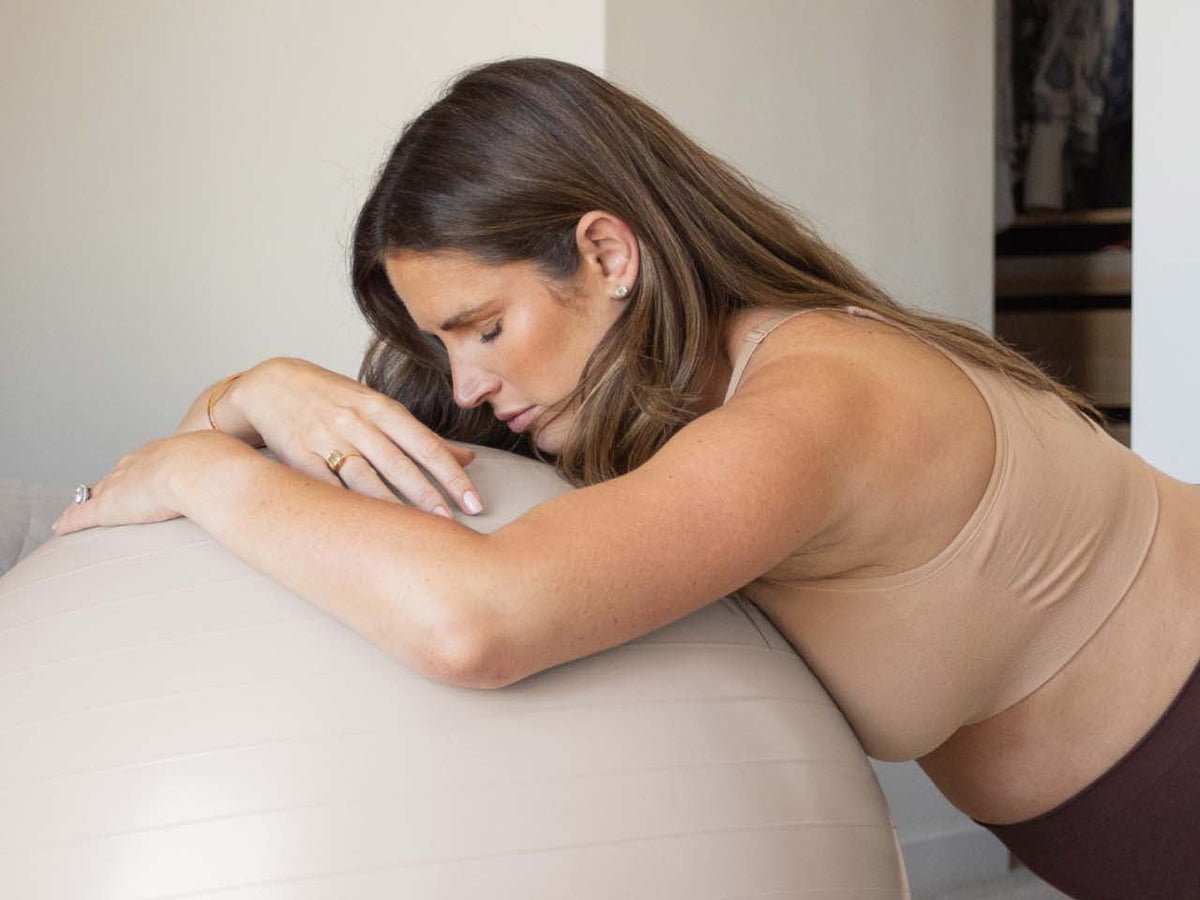
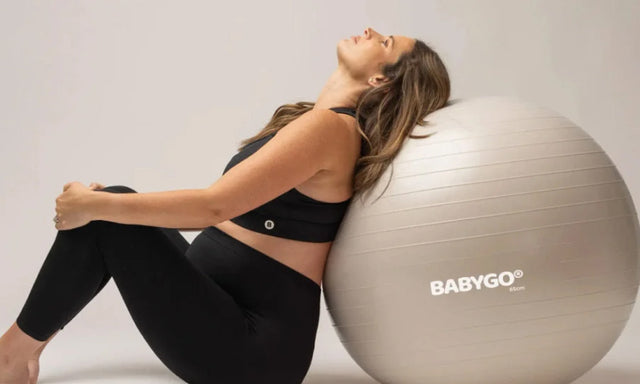
● Positions you’d like to try during labour
● Pain relief options
● Whether you’d like to use a birthing pool
● Monitoring and examinations
● Delayed cord clamping
● What you’d like to happen if a caesarean birth becomes necessary
Remember, you don't need to decide everything in advance if you don’t want to. Some people decide not to have a birth plan at all.

Start with what’s most important to you
Ask yourself, ‘What would help me feel informed and supported during labour?’
You may want to consider your individual experiences, feelings, and circumstances. This might include:
● Your path to parenthood: For some, the journey to parenthood may have involved difficult emotions, particularly those involving fertility treatment, infertility or pregnancy loss. In some cases, difficult experiences can shape things like emotional needs, support choices, and communication preferences during birth.
● Your feelings about birth: If you have worries or concerns about labour, consider what would help you feel more reassured and comfortable, such as what to expect if your plans need to change and who you want with you during labour.
● Medical needs: This might involve thinking about any health conditions you have or previous medical experiences that you’d like your maternity team to know about.
Remember That Your Birth Plan Can Change
One of the most important things to remember is that a birth plan isn’t a guarantee of how your labour will happen.
Your circumstances may change during pregnancy or labour. You may decide that you want different pain relief or find that the type of birth you had imagined is no longer the safest option. If something unexpected happens, your maternity team should explain what’s happening and discuss your options with you wherever possible.

Creating a Hospital Bag That Works for You
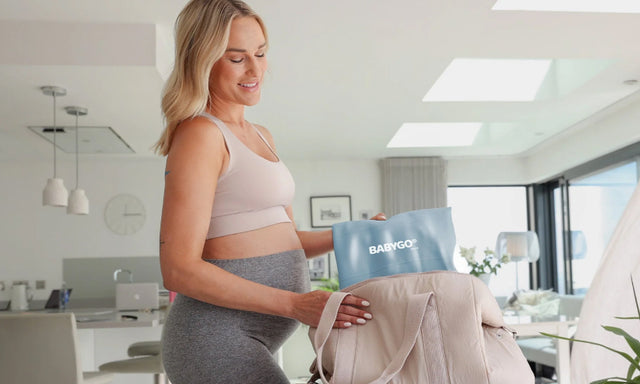
Once you have thought about your birth preferences, you can start putting together your hospital bag. It’s tempting to follow a huge checklist online, but you don’t necessarily need everything you see recommended. What you need depends on your maternity unit, how long you stay for, and your own preferences.
Check whether your hospital or birth centre provides a list of recommended items before you start packing.
Essentials for You
You may want to pack:
● Comfortable nightwear or an oversized T-shirt for labour
● A dressing gown
● Slippers or comfortable footwear
● Maternity or large comfortable underwear
● Maternity pads
● Comfortable clothes for going home
● Toiletries and personal hygiene products
● A phone and charger
● Any daily medication you need
● Water bottle
● Snacks
You might also want to pack items that make you feel more comfortable, such as lip balm, a pillow from home, headphones or something to help keep you occupied during quieter periods.
What to Pack for Your Baby
You may want to pack:
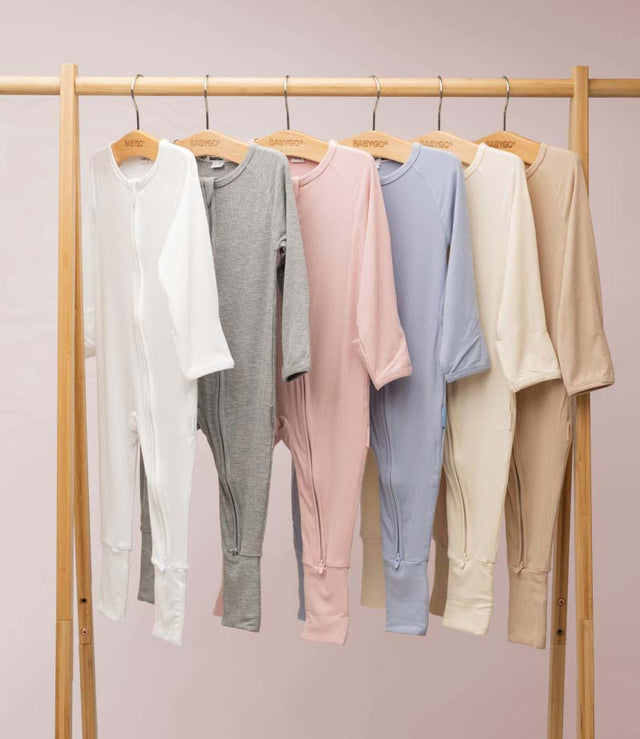
● Several sleepsuits and vests
● Nappies
● Cotton wool or suitable wipes
● Muslin cloths
● A hat
● A blanket
● Clothes for going home
● An appropriate car seat for the journey home if travelling by car
It can be useful to pack a few different sizes of baby clothes.

Consider Your Preferences After Birth
Your birth plan doesn’t have to stop once your baby is born. You can include preferences for those first few hours and days, too. For example, you may have preferences about feeding your baby, skin-to-skin contact, and who you’d like to be with you after the birth.
You might also want to think about your preferences and boundaries during the early postnatal period. This might include having specific wishes about your recovery journey and whether you’d like visitors.
You may not know exactly what you want yet, and that is completely fine. Your preferences can develop over time.
Give Yourself Permission to Be Flexible
Flexibility is important, as circumstances can change. Rather than trying to plan every part of labour, choose your priorities by focusing on a few things that matter to you. Saying phrases like ‘I wish to’ or ‘I prefer to’ can also help you avoid creating a rigid checklist.
Remember, you can change your mind and ask questions; nothing has to be set in stone.
BABYGO®
BABYGO® specialises in designing high-quality products to support mums through pregnancy, postpartum, and babyhood. Find out more about their products here.
Written By Millie Fuller