Early pregnancy bloating: what helps, and what to wear
Why progesterone leaves you bloated in the first trimester, the NHS changes that help (smaller meals, eating slowly, a walk after you eat, sorting constipation), what to wear when your waistband digs in, and the tummy pain that needs a call


The trousers did up fine at eight this morning. By four they're cutting in, you've undone the button under your desk, and you look about five months gone. You're eight weeks. Nobody even knows yet.
That's early pregnancy bloating, and it's one of the most ordinary things about the first trimester. Here's why it happens, what helps, and what to wear while it's going on.
Quick answer: It's your hormones. Progesterone relaxes your womb so it can grow, and it loosens the muscles in your gut too, so everything slows down. Eat smaller meals more often, eat slowly, sip drinks rather than gulping, skip late dinners and go for a short walk after you eat. Wear things that don't press on your tummy.
- Bloating is on the NHS symptom list for week 6, and constipation is one of the NHS early signs of pregnancy.
- The NHS week 10 guide puts the bloating, burping and wind down to your hormones: progesterone loosens the muscles in your digestive tract.
- Indigestion, which can feel full, heavy or bloated, is more common from 12 weeks, the NHS says, as your baby starts to press on your stomach.
Why early pregnancy makes you so bloated
Progesterone. The NHS week 10 guide says it's just doing its job, relaxing the muscles in your womb so it can expand with your baby. The catch is that the muscles in your digestive tract get looser at the same time.
So food moves through more slowly, gas hangs about, and you burp or pass wind more than you'd like. Constipation often comes with it. The NHS says the hormone changes can make you constipated very early on, and it's on the list of early signs, so some people are bloated before they've done a test.
It tends to build through the day. Fine at breakfast, tight by lunch, properly uncomfortable by the evening.
Later on there's a second reason. From about 12 weeks indigestion gets more common, and the NHS describes that as feeling full, heavy or bloated, partly because your baby is growing and pressing against your stomach. If you're wondering whether the curve is bloat or bump, we've covered that in when do you start showing.
What helps with bloating in early pregnancy
Most of it is how and when you eat, not what you take. The NHS week 10 guide has a short list, and the general NHS bloating page fills in a few more. None of it is complicated.
| Try this | Why |
|---|---|
| Six small meals a day instead of three big ones | A very full stomach makes bloating and indigestion worse |
| Nothing big late at night | The NHS indigestion page says nothing within 3 hours of bedtime |
| Eat slowly, mouth closed | Less air swallowed with your food |
| Sip drinks, and plenty of water | Water helps; sipping rather than gulping is the NHS week 10 advice |
| A short walk after you eat | Moving helps your digestion, and the NHS says exercise helps when you're already bloated |
| Go easy on fizzy drinks and caffeine | Both are on the NHS list of things that make bloating worse |
| Notice your triggers | Cabbage, beans and lentils make gas; some people find coffee or rich, spicy and fatty food sets it off |
| Sit up to eat | Slouching over a plate doesn't help |
Alcohol is on the NHS bloating list too, but that one's already off the table.
If you only change one thing, I'd make it the meal size.
The bloat that has you undoing your button at four o'clock is very often lunch.
And if you think you're constipated, deal with that first, because it keeps the bloating going. The NHS suggests high fibre food like wholemeal bread, fruit, vegetables and oats, plenty of water and regular exercise. Build the fibre up gradually rather than all at once.
Iron tablets can make constipation worse, and the NHS suggests asking your doctor whether you can manage without them or switch to a different type. Don't stop anything you've been prescribed without asking first.
For medicines, ask a pharmacist and tell them you're pregnant. The NHS indigestion page says some antacids aren't suitable in pregnancy, and not to take them within 2 hours of iron or folic acid, because they stop you absorbing them properly.
Follow your bump. Tell us your due date and we'll send what to expect each week, plus 10% off your first order.
What to wear when you're bloated
The rule is simple: nothing that cuts across your tummy. A waistband that was fine at nine in the morning can be a real problem by four, and it's that pressure, more than the look, that makes the evenings miserable.
In the early weeks you probably don't need to buy anything. Soft, high waisted leggings you already own, a loose dress, joggers with a drawstring you can let out after tea.
I'd leave anything that squeezes in the drawer for now. Your tummy's got enough going on.
For jeans and work trousers that won't do up, the hair bobble trick and the support band are both in our post on when you start showing. If you'd rather nobody noticed anything yet, how to hide a pregnancy bump has the tops and layers that work.
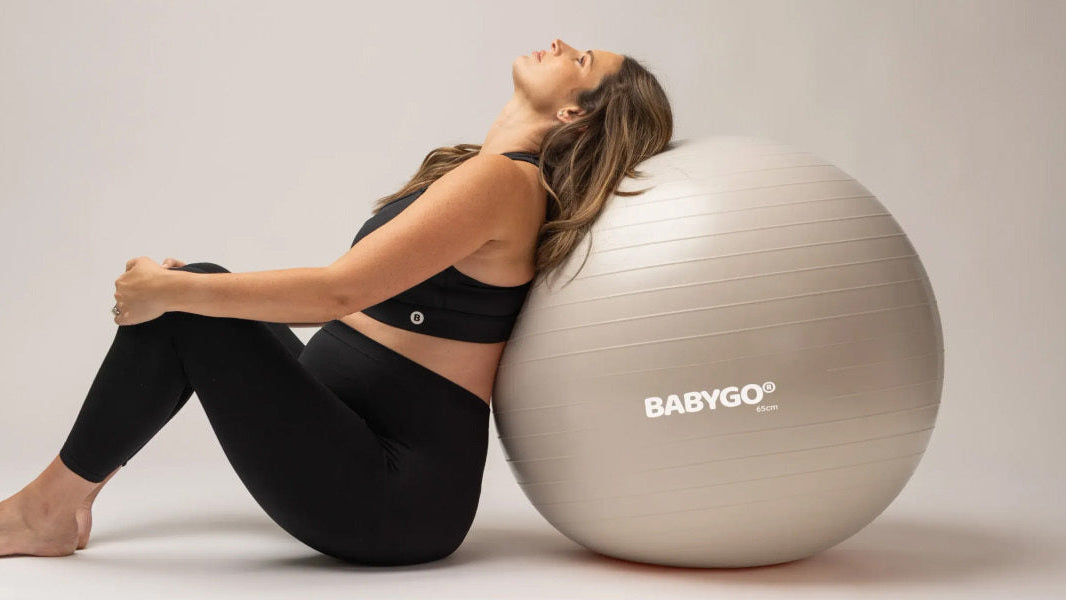
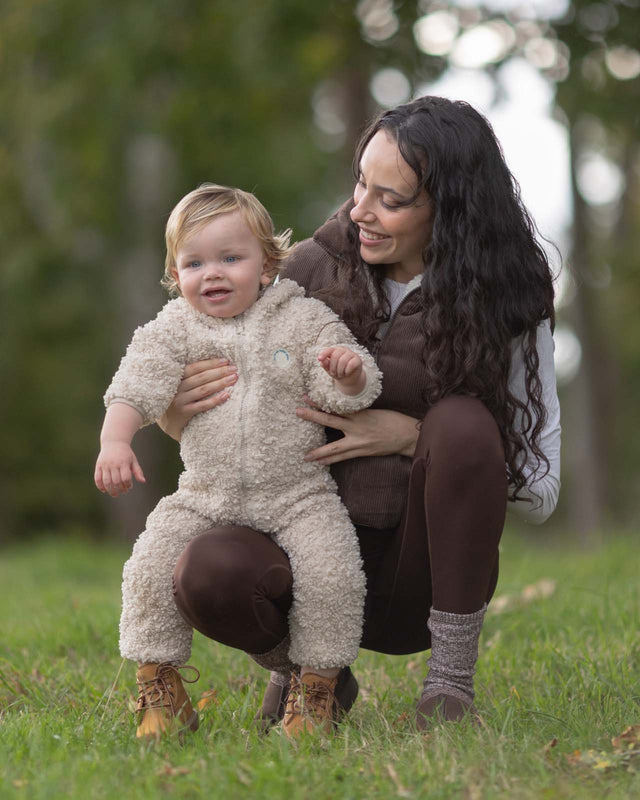
Over the bump leggings come in once the waistband is digging in every day, not just after a big meal. For most people that's the second trimester. The panel comes up over your tummy and stays there, so there's nothing sitting across the bloat at all.
The earliest any of our leggings reviewers mentions wearing them is 13 weeks, and most were 16 weeks or more. Brooke bought hers at 13 weeks, when her jeans had just started getting tight: "Yet even at my tiny bump state they fit like a glove and have room for the bump to grow."
They're also the pair for the walk after dinner, which is one of the things that actually helps. The Activ+ are made for moving in. Rachel wore them to the gym: "I have started using these at 16 weeks pregnant for training in the gym."

BABYGO® Activ+ Maternity Leggings
For when every waistband you own digs in by the afternoon. A stretchy panel comes up over your tummy and stays there, so nothing cuts across it, and it keeps stretching right through to the third trimester. Opaque when you squat and bend, so they're fine for a walk or a class. Go by your dress size; they run small, so if you're between sizes go up one. Single or twin pack.
From £20
If you mostly want something soft for the sofa, the Comfort+ bamboo pair is in the same maternity leggings collection, and the maternity leggings guide explains which fabric does what.
When it might not be just bloating
Bloating and the odd twinge are normal. The NHS stomach pain in pregnancy page says mild pain is probably nothing to worry about if it goes away when you change position, have a rest, do a poo or pass wind. Trapped wind and constipation are two of the usual causes.
Call your maternity unit straight away if you have stomach pain and any of these. Before 20 weeks, you may need your GP or an early pregnancy unit instead.
- bleeding or spotting
- regular cramping or tightenings
- lower back pain
- pain that's severe, or hasn't gone after 30 to 60 minutes' rest
If the pain or bleeding is severe, call 999.
In the first 12 weeks, pain low down on one side is worth knowing about. The NHS says ectopic pregnancy symptoms usually show between weeks 4 and 12: pain low down on one side, bleeding, pain in the tip of your shoulder, or discomfort when you pee or poo.
Contact your GP or 111 if you have a mix of these, and get advice straight away for shoulder tip pain. Sudden, intense tummy pain with dizziness or fainting means 999 or A&E. There's more in our ectopic pregnancy post.
The NHS bloating page adds a few more. Get an urgent GP appointment or call 111 if you're bloated with a stomach ache, a high temperature or you feel hot, cold or shivery, if there's a swelling or lump in your tummy, or if you can't pee, poo or fart.
See your GP if you're bloated all the time even after changing what you eat, or it comes with weight loss you can't explain or blood in your poo.
And anything that just doesn't feel right can go to your midwife, at an appointment or before.
Questions we get asked
Is bloating an early sign of pregnancy?
It can be. Bloating is on the NHS week by week symptom list for week 6, and constipation, which often comes with it, is on the NHS list of early signs. It's down to progesterone slowing your digestion.
When does pregnancy bloating start, and does it stop?
It often starts in the first few weeks, and the NHS covers it in the week 6 and week 10 guides. There's no set week when it stops. From around 12 weeks indigestion gets more common, and that can feel full and bloated too, so smaller meals are worth keeping up.
Can bloating hurt in early pregnancy?
It can be uncomfortable, and the NHS lists trapped wind and constipation among the usual causes of mild tummy pain in pregnancy. Mild pain that goes when you change position, rest, poo or pass wind is probably nothing to worry about. Pain low down on one side, pain with bleeding, or pain that doesn't settle after 30 to 60 minutes' rest is a call to your GP, early pregnancy unit or 111 straight away.
What can I take for bloating when I'm pregnant?
Ask a pharmacist and tell them you're pregnant. Some antacids aren't suitable in pregnancy, and the NHS says not to take them within 2 hours of iron or folic acid. Smaller meals and a walk after eating are where the NHS starts.
Does drinking water help with bloating?
Yes. The NHS bloating page says drink plenty of water, and it helps with constipation too. Sip it through the day rather than downing a pint with your lunch.
What should I wear when I'm bloated in early pregnancy?
Anything soft that doesn't press on your tummy: your own stretchy leggings, a loose dress, joggers you can let out. Once every waistband digs in every day, usually in the second trimester, over the bump leggings take the pressure off because the panel sits over your tummy instead of across it.
If the button's already undone under your desk, have a look at the maternity leggings and give the size guide a minute. The first trimester to do list has everything else worth doing this month.