


First trimester tiredness: why you're so exhausted and what helps
Why the first 12 weeks wipe you out, when the tiredness usually lifts, what helps and what doesn't, getting through a working day before anyone knows, whether you need a pregnancy pillow yet, and when tiredness is worth a call to your midwife or GP


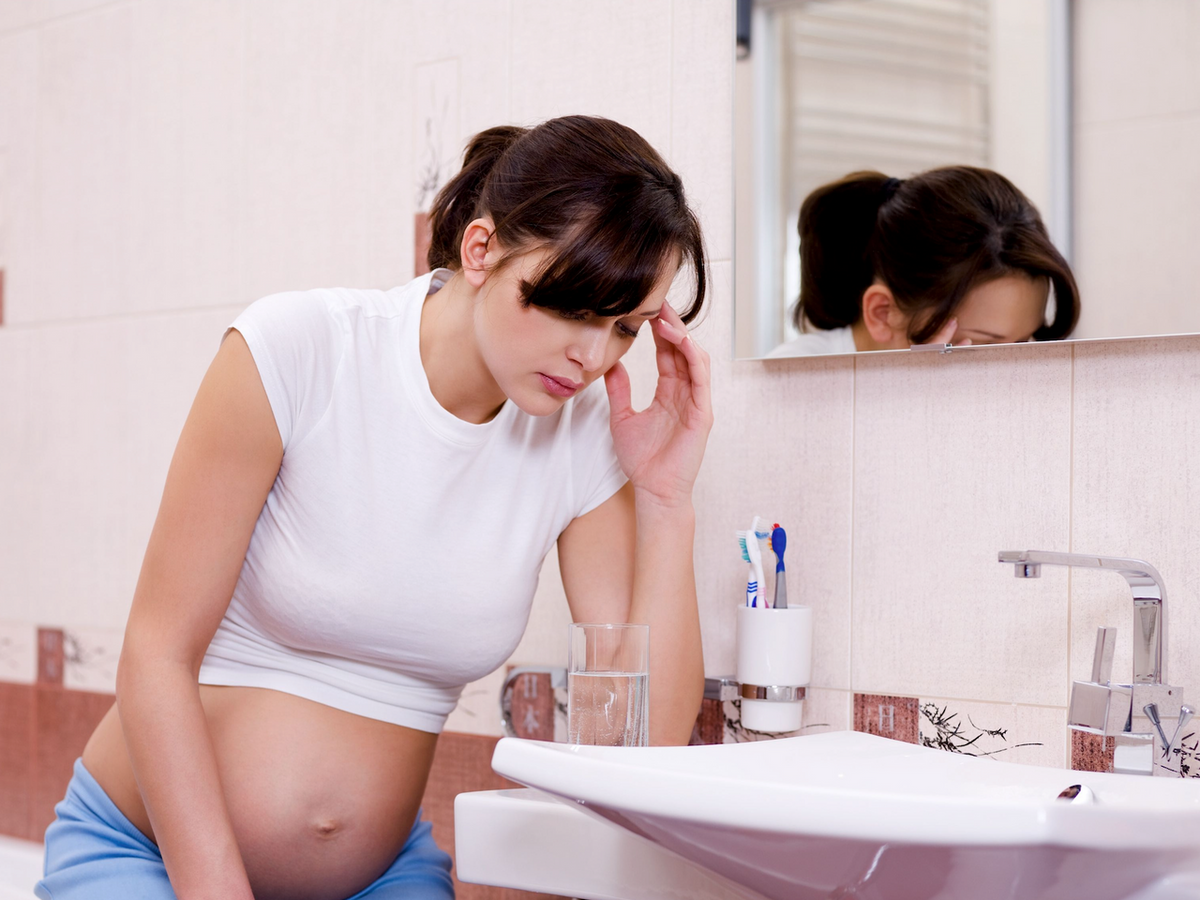
It's twenty to nine, you're seven weeks pregnant, and you've just woken up on the sofa with the telly asking if you're still watching. Nobody at work knows yet, so you've spent the whole day acting fine.
You're not lazy and you're not imagining it. Here's why the first trimester flattens people, when it usually lifts, what helps, and how to get through a working day when you'd happily lie down under your desk.
Quick answer: Yes, it's normal. The NHS says feeling tired, even exhausted, is common in pregnancy, especially in the first 12 weeks, and puts it down to hormones. It tends to ease early in the second trimester: the NHS guide for week 14 says hopefully you're starting to feel less tired and sick by then. Rest when you can, keep moving, and keep caffeine out of the evening.
- It's often one of the first signs. The NHS lists feeling extremely tired after your usual daily activities as an early sign of pregnancy.
- It can come back later. The NHS says the extra weight later in pregnancy can make you tired, and a bigger bump makes sleep harder.
- Tiredness with breathlessness, a pounding heart, headaches or paler skin than usual is worth raising with your GP or midwife, because pregnancy is a very common cause of iron deficiency anaemia.
Why you're so tired in the first trimester
The NHS puts it down to the hormonal changes of early pregnancy, the same ones that can make you feel sick and emotional. There's no bump to show for any of it yet, which is half the problem. You look exactly the same and feel like you've done a night shift.
Then everything else piles on top. Feeling sick all day is exhausting on its own. The NHS week 8 guide says you could find yourself weeing more often as your womb presses on your bladder, so the nights get broken too.
And if you haven't told anyone, you're doing all of it while pretending to be normal, which is tiring in a way nobody warns you about.
None of that means something's wrong. The NHS signs and symptoms page lists being extremely tired after your usual day as one of the early signs of pregnancy. For some people it's the thing that makes them do a test.
When does first trimester tiredness end?
Usually early in the second trimester, though there's no date on it. The NHS tiredness and sleep page says it's especially common in the first 12 weeks. Its week 14 guide says "hopefully you are starting to feel less tired and sick now", and that your appetite might come back with your energy.
So the 12 week scan is roughly where a lot of people start to feel human again. Not everyone, and not overnight.
It doesn't always stay gone, either. Later on the NHS says the extra weight you're carrying can make you tired again, and a bigger bump makes it harder to get comfortable in bed.
| When | What the NHS says |
|---|---|
| First 12 weeks | Tiredness, even exhaustion, is common. Hormones are the main reason |
| Around 14 weeks | Hopefully you're feeling less tired and sick, and your appetite may come back |
| Later in pregnancy | The extra weight can make you tired, and a bigger bump makes sleep harder |
| From 28 weeks | Go to sleep on your side, left or right |
Follow your bump. Tell us your due date and we'll send what to expect each week, plus 10% off your first order.
What actually helps
Nothing makes it disappear. What helps is making the tiredness cost you less in the day, and not making the nights any worse.
The NHS advice starts with rest: as much as you can, feet up during the day, and say yes when people offer to help. That last one is the hard bit when nobody knows why you suddenly need help.
Say yes anyway. If someone offers to do the big shop, let them do it.
Move a bit, even though it's the last thing you feel like. The NHS says activity such as a lunchtime walk or a swim can help you feel less tired, and its week 8 guide suggests starting with 10 minutes a day, a brisk walk outside, if you're not used to it.
A walk round the block at lunch does more for the afternoon than another coffee.
Speaking of which, the NHS limit in pregnancy is 200mg of caffeine a day. A cup of instant coffee is about 100mg, a cup of tea about 75mg and a can of cola about 40mg, and coffee shop coffee can be a lot more. The tiredness page also says to keep tea, coffee and cola out of the evening, because caffeine can keep you awake.
Naps are trickier. The NHS says it's best not to nap in the afternoon or evening, because you won't be tired at bedtime. I'd take an early night at nine over a sofa nap at six and then staring at the ceiling until one.
Drink plenty during the day and less in the evening, which the NHS suggests if night wees are breaking your sleep. And eat little and often if you can face it. If food is the last thing you want, the morning sickness guide has what the NHS suggests.
Getting through a working day
This is where the first trimester really bites, because most people haven't told work. You don't legally have to until 15 weeks before the week your baby is due, gov.uk says, which is around 25 weeks pregnant.
Telling someone earlier has its upside, though. Once your employer knows, HSE guidance says they must give you a suitable place to rest, including somewhere to lie down if you need to, and gov.uk says you get paid time off for antenatal appointments. Some people tell one manager early for exactly that reason and keep it from everyone else. The first trimester to do list has more on telling people and your rights at work.
The small stuff helps more than it sounds. Snacks in your drawer. Lunch outside, not at your desk.
If your job lets you, the hard thinking goes in the morning and the emails in the slump after lunch. And a lift share or the bus over driving on the days you're properly shattered.
Tired all day and awake at night
It's a cruel combination and a common one.
You're asleep on your feet at 4pm, then wide awake at 3am with a full bladder and a head full of lists, wondering how that's even possible when you could barely keep your eyes open through the news. It's the hormones again, plus the wees, plus whatever you didn't say at work today going round your head.
The NHS tips for sleeping badly are to unwind before bed, keep caffeine to earlier in the day and stay active in the day. Vivid dreams about the baby are normal too, the NHS says, and talking them through with your partner or midwife can help.
Position isn't something to worry about yet. The NHS week 14 guide says it's fine to sleep on your front in the early days of pregnancy, and the side sleeping advice starts at 28 weeks. Our sleep in pregnancy guide has the rest, including what to do at 3am when you can't drop off again.
Do you need a pregnancy pillow yet?
Honestly, not for this. If you're sleeping on your front or your back with no bump to work around, a pregnancy pillow won't touch first trimester tiredness. Our how to use a pregnancy pillow guide says the same: it's a better buy at 26 weeks than at 12.
It starts to earn its place when the bump does, and not before.
Somewhere in the second trimester lying on your front stops being comfortable and your hips start to complain on your side. From 28 weeks the NHS wants you going to sleep on your side and says pillows can help support your bump, and a long curved one is what keeps you there all night.

BABYGO® Moon Pregnancy Pillow
One for later. One curve for bump and knees, or turned round, back and knees, along your side of the bed instead of across it. One size; fold the lower end under if you're shorter. Washable bamboo and cotton cover. A feeding pillow and backrest after the birth.
£39
When tiredness is worth a call to your midwife or GP
Most first trimester tiredness is just that. Two things are worth ruling out.
The first is anaemia. The NHS iron deficiency anaemia page says pregnancy is a very common cause, and lists tiredness and lack of energy, shortness of breath, noticeable heartbeats, paler skin than usual and headaches as symptoms. If you've got the tiredness plus any of the others, see your GP or tell your midwife.
The second is your mood. The NHS says sleeplessness that comes with other symptoms, like feeling hopeless or losing interest in things you used to enjoy, can be a sign of depression. Speak to your doctor or midwife, because treatment is available.
If you can't keep food or drink down, the tiredness is the least of it. The morning sickness guide has the signs that mean you call your midwife, GP or 111 the same day.
Questions we get asked
When does first trimester tiredness end?
Usually early in the second trimester. The NHS says tiredness is especially common in the first 12 weeks, and its week 14 guide says hopefully you're starting to feel less tired by then. It can come back later in pregnancy as the bump grows and sleep gets harder.
Is feeling tired an early sign of pregnancy?
Yes. The NHS lists feeling extremely tired after doing your usual daily activities as one of the early signs of pregnancy. If the test is positive, our first trimester to do list has what to do first, starting with folic acid and your midwife referral.
Does extreme tiredness in early pregnancy mean a boy or a girl?
No. The NHS puts first trimester tiredness down to pregnancy hormones, and nothing it says links how tired you feel to the sex of your baby. The sex isn't checked at the 12 week scan either; some hospitals will tell you at the 20 week scan.
How much caffeine can I have when I'm pregnant?
The NHS says no more than 200mg a day. A cup of instant coffee is about 100mg, a cup of tea about 75mg and a can of cola about 40mg, and coffee shop coffee can be a lot more. Keep it to earlier in the day if you're sleeping badly.
Is it OK to nap in the first trimester?
Yes. The NHS says to rest as much as you can. If naps leave you lying awake at night, its tip is to avoid napping in the afternoon or evening so you're tired at bedtime.
Can I sleep on my front in the first trimester?
Yes. The NHS week 14 guide says it's fine to sleep on your stomach in the early days of pregnancy. The advice to go to sleep on your side, left or right, starts at 28 weeks.
Feet up tonight, a walk at lunch tomorrow, coffee before midday. And if you're asleep on the sofa again by twenty to nine, that's allowed too.